
Overview:
New York Metropolis voters will face 5 Metropolis Constitution proposals on the Nov. 3, 2026, poll. Developed by the Fee on Authorities Effectivity, the proposals goal to streamline authorities processes and cut back pink tape, with measures addressing public-space permits, metropolis contracting, transportation initiatives and city-owned land, development allowing and town’s wet day fund.
Election Day is arising in New York Metropolis, on Nov. 3. For New Yorkers who voted on Main Day in June, you would possibly already know who’s in your poll. However earlier than you set off to gather that “I Voted” sticker — have you learnt what else is in your poll?
This election cycle, there are 5 questions for voters — or 5 alternatives for New Yorkers to vote sure or no on amendments to the Metropolis Constitution, a structure that establishes the framework for metropolis authorities.
On this case, the 2026 proposals are a part of an initiative on the prime of Mayor Zohran Mamdani’s agenda: streamlining authorities processes and reducing pink tape for small companies. (Mamdani outlined these targets in his viral “Halalflation” video, lamenting metropolis allow backlogs that drive up the value of a hen over rice.) The Mamdani administration’s COGE — Fee on Authorities Effectivity — has taken the helm to suggest and create the 5 poll questions that can seem in November.
“Constitution commissions are sometimes seen as alternatives to suppose via how the construction of presidency works, and suggest complete options that may not simply be developed via the common legislative course of,” Ben Weinberg, director of public coverage at Residents Union, an NYC civic engagement group, instructed The Metropolis Reporter.
In contrast to native legal guidelines, the Constitution have to be modified by a vote of the individuals instantly as a result of it will possibly change the powers of presidency itself.
Right here’s what it is advisable to know earlier than hitting the poll field:
The place, when and the way do I vote?
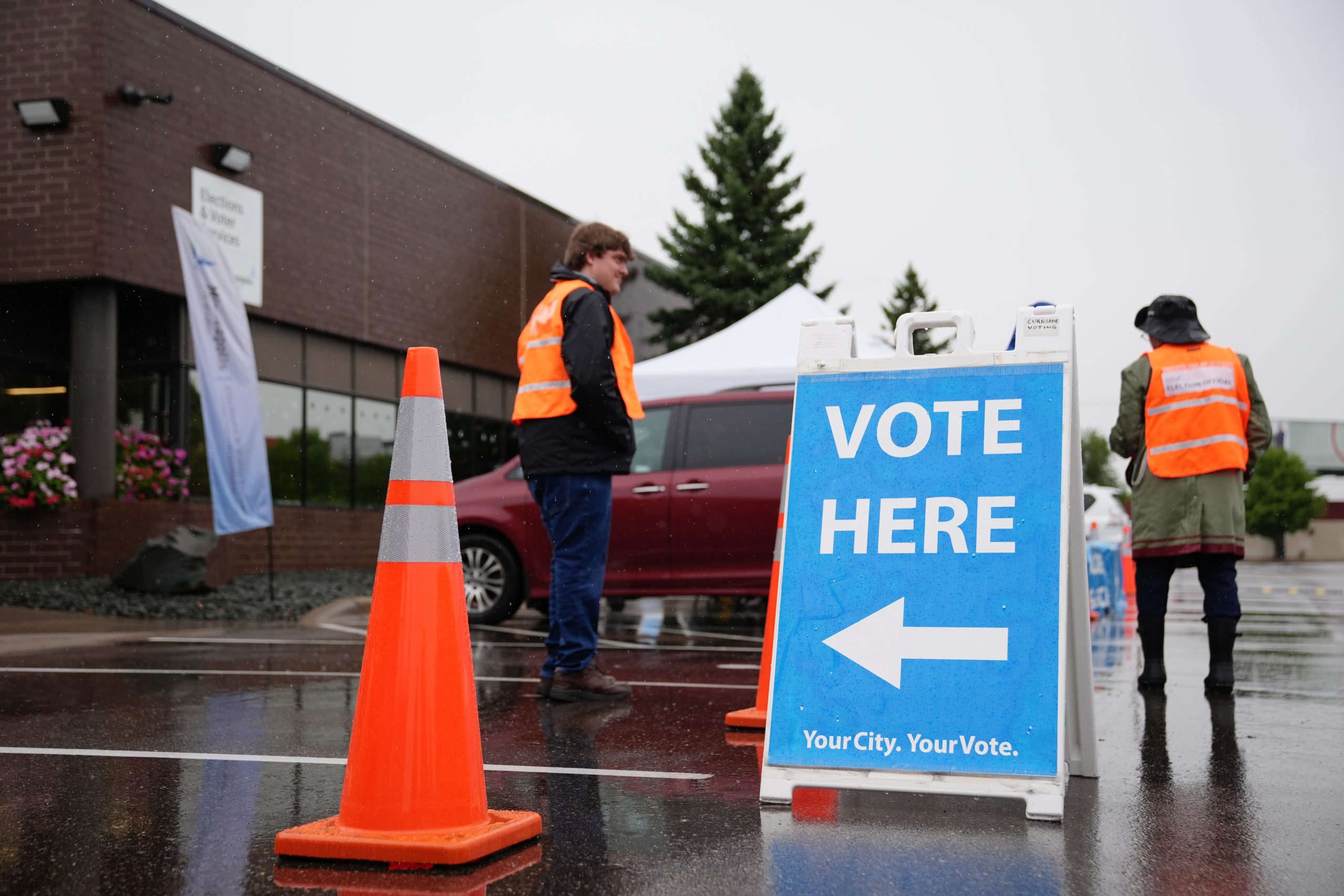
Election Day is Nov. 3. Discover your poll site here — however first, when you’re new to New York, ensure you change your deal with by Oct. 19, and register to vote by Oct. 24. In case you’re seeking to vote by mail, you will need to request a ballot by Oct. 24 (and when you’ve mailed that in, you’ll be able to track it here). That’s additionally when early voting begins, lasting via Nov. 1.
In case you’re voting early, double test your ballot web site, as a result of it could be completely different out of your Election Day ballot web site.
Susan Lerner, govt director of Widespread Trigger New York, a nonprofit democracy watchdog group, urges voters to concentrate to native points, at the same time as election protection focuses on who’s accountable for the Home of Representatives, or the governor’s race.
“Each election is necessary, and for positive your opinion won’t be mirrored when you don’t vote,” Lerner instructed The Metropolis Reporter. “No one hears your voice whenever you don’t converse, and voting is your voice.”
What are the proposals?
The 5 proposals concern use of public house, metropolis contracting, avenue security, constructing allowing and town’s wet day fund. Convened by Mamdani in Could, COGE developed the proposals after 10 public hearings throughout the boroughs in June and July, the place the fee heard suggestions from group members and elected officers.
Proposal 1 would take away some steps from the method of getting permission from town to make use of public house to construct ramps, benches and out of doors eating buildings.
This proposal comes after the Metropolis Council authorised a bundle of payments to expand outdoor dining in August, together with one bringing again year-round avenue sheds. Because it stands, making use of for an outside eating construction can take roughly three to 5 months, and a sidewalk cafe can take as much as eight months. This proposal would mix the applying course of with the goal of reducing it down to 2 months.
To streamline the permission course of, the proposal would additionally “take away the obligatory public listening to, modernize the general public commercial necessities and direct the Division of Transportation to make use of various strategies to hunt public enter,” in response to a COGE report.
Proposal 2 seeks to simplify town contracting course of by authorizing the mayor to award contracts, cut back paperwork for small companies and nonprofits seeking to work with town, and cut back reporting necessities
The proposal would minimize down the procurement timeline by 12%, in response to the COGE report. Procurement is the method by which town picks organizations or firms to award contracts to.
“The mayor has talked lots about excellence in authorities, and a part of that excellence is pace,” Andrew Rein, president of the Residents Finances Fee, instructed The Metropolis Reporter.
That stated, the modifications would shave nearly 30 days off of the notoriously lengthy course of for finishing requests for public work. The median time that it takes between the preliminary public announcement of wanted work from town and when the work is awarded is a whopping 387 days, in response to Tal Roded, a knowledge scientist and member of Manhattan Group Board 3.
“There’s nobody change that may very well be made that can magically unlock metropolis contracting timelines,” Roded, who helps the proposal, instructed The Metropolis Reporter. “However I feel solely shaving 30 days off when it’s so long as it’s actually reveals there’s much more work to be finished.”
In fiscal yr 2025, almost 40% of town’s price range went to items and companies from outdoors contractors — or $42.3 billion, in response to the COGE report.
Proposal 3 combines three measures that goal to hurry up processes for transportation initiatives, the sale of some city-owned land and leasing workplace house for presidency staff.
The primary piece of the proposal would take away some steps that delay main transportation initiatives, in hopes of rushing up avenue security initiatives, together with bike and bus lanes, by 33%. These embody eliminating some necessities regarding intra-agency consultations, permitting the DOT to begin engaged on initiatives earlier than presenting to group boards and letting initiatives proceed amid some procedural planning errors.
It might additionally pace up the sale of small items of city-owned land — lowering the timeline from roughly seven months to 90 days. The expedited course of would permit for a number of businesses to overview sure gross sales or leases without delay, with no closing overview from the Metropolis Council. Plus, the proposal would take away listening to necessities and approvals from the Metropolis Council and Metropolis Planning Fee when town seeks to lease workplace house for its workers.
Proposal 4 seeks to create a centralized development allowing system and transfer waterfront development allowing to the Division of Buildings.
The proposal would authorize extra metropolis company officers to approve development initiatives and create a allowing “hub,” in order that New Yorkers need to faucet just one entity for approval, as an alternative of ready for approval throughout a number of businesses. Plus, the DOB would acquire management of allowing city-owned waterfront properties; presently, the Division of Small Enterprise Companies handles permits for these sorts of buildings. The proposal would additionally permit the DOB commissioner to nominate extra officers that may approve development paperwork.
Proposal 5 would set a objective of placing apart a wet day fund equal to at the very least 12% of town’s earlier yr’s tax income.
Till 2019, town wasn’t approved to keep up a wet day fund on account of state necessities, however a poll proposal from that yr modified the course. Since then, the Residents Finances Fee has been rallying for a bigger goal for financial savings; a 2022 report from the comptroller’s office recommends 16% to help town via the “full size of a median recession.” Whereas Rein might be voting no on this proposal as a result of he thinks the 12% benchmark is just too low, he urges voters to push for a stronger wet day fund that’s extra resilient in opposition to a possible recession or financial disaster.
The proposal would additionally codify a state requirement that limits withdrawals to 50% of the fund, until the mayor has a “compelling fiscal motive.”
The place do I be taught extra?
NYC Votes, the voter training arm of the Marketing campaign Finance Board, places out a voter information yearly containing extra data, which is already available online, and might be mailed to voters in late September or early October. Plus, the group will put up summaries of statements from each supporters and opponents of every proposal the week earlier than early voting begins.
For now, you’ll be able to head to the COGE report back to learn the historical past, context and full particulars of every proposal.