
Overview:
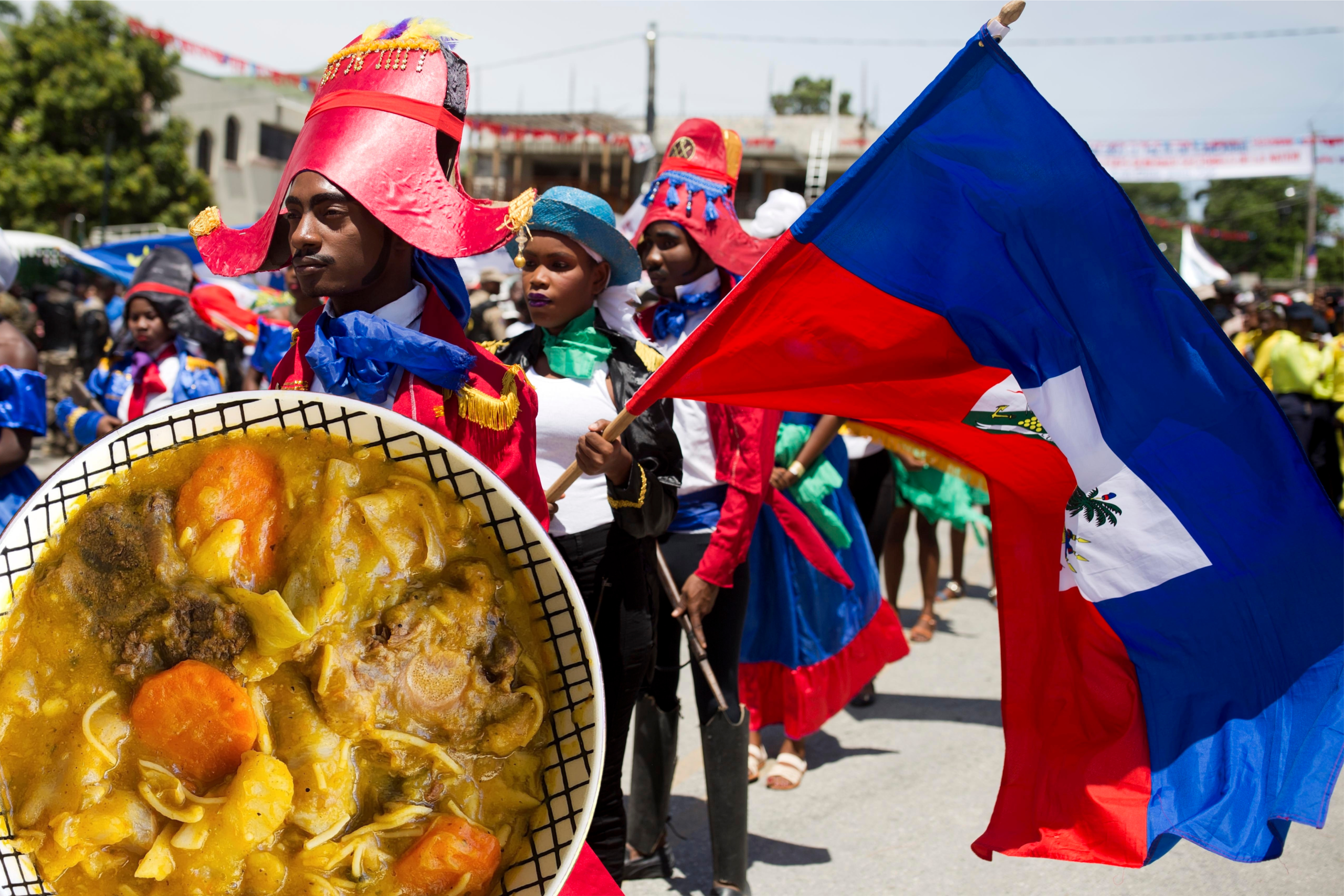
On Jan. 1, Haitians worldwide commemorate the anniversary of Haiti’s independence, reflecting on the revolution that abolished slavery and based the trendy world’s First Black Republic 222 years in the past. From historic remembrance to the custom of cooking soup joumou, the day honors ancestral resilience whereas underscoring the continued battle for liberation.
Editor’s notice: This story is a part of our This Day in Historical past collection, the place The Haitian Instances revisits pivotal moments that formed Haiti and its Diaspora.
Each Jan. 1, because the world rings within the new yr, Haitians throughout the globe additionally bear in mind one thing far deeper, the beginning of the world’s First Black Republic, on Haitian Independence Day.
On Jan. 1, 1804, Haiti formally declared independence from French colonial rule, abolishing slavery and asserting freedom for all individuals. The declaration got here after a brutal 12-year struggle that started in 1791 to interrupt from enslavement imposed by French colonizers and enforced by one of the crucial highly effective navy forces of the period.
Within the Artibonite port metropolis of Gonaïves, Jean-Jacques Dessalines proclaimed Haiti’s independence, without end altering the course of world historical past by inspiring liberation actions. The previously colonized land of Saint-Domingue took on a brand new identify — Haiti. Derived from the Taino-Arawak language of the indigenous individuals who lived there earlier than colonization unfold all over the world, the phrase that means “land of the mountains.”
That victory made Haiti the First Black Republic on the planet and the second such authorities within the Western Hemisphere after the US. It additionally despatched shockwaves throughout the globe, proving that enslaved individuals might defeat empires, declare their humanity and govern themselves — redefining what liberation might appear to be for oppressed individuals in every single place.
The primary two days of the yr are devoted to remembrance. Jan. 1 marks Independence Day, whereas Jan. 2 honors Ancestors’ Day. Identified in Haitian Creole as Jou Zansèt and in French as Jour des Aïeux, the second day pays tribute to the nation’s founders and the numerous Haitians who sacrificed their lives for freedom. Collectively, the dates mirror a common battle to interrupt chains, reclaim dignity and assert basic human rights.
Soup joumou: A ritual of freedom
Greater than two centuries later, that legacy lives on — not solely in historical past books, however in kitchens, residing rooms and neighborhood gatherings all over the world.
Some of the enduring traditions of Haitian Independence Day is the preparation and sharing of soup joumou, a pumpkin-based dish symbolic of the liberation gained.
Earlier than emancipation, enslaved individuals have been forbidden from consuming pumpkin, because it was a delicacy reserved solely for the colony’s enslavers. After independence, the newly-freed individuals started cooking the soup as an emblem of freedom, making ready and sharing it to mark their liberty and delight.
To today, Haitian households in Haiti and all through the Haitian Diaspora rise early on Jan. 1, or keep up late on Dec. 31, to arrange soup joumou. Typically, the household matriarch organizes the components days forward, with cooking starting within the early morning of Independence Day.
Many consider consuming the hearty stew brings blessings of well being and prosperity for the yr forward.
Past Jan. 1, the dish stays reserved for significant moments — household Sundays, life milestones and funeral receptions — believed to revive power and revitalize the physique.
When you’d wish to strive your hand at this Haitian delicacy, observe the recipe beneath:
Soup joumou components (serves 10-12)
- 2.5 kilos pumpkin or squash, peeled and lower
- 1 kilos beef neck bones
- 1 pound of beef cubed
- Half a pound of oxtail (Non-obligatory)
- 1 lime, halved
- 1 scallions, chopped
- 1 onion, chopped
- 2 coloured bell peppers
- 4 garlic cloves, crushed
- 1 shallot, minced
- 5 tablespoons epis
- 4 celery stalks, lower into 1-inch items
- 10 cabbage leaves, quartered
- 2 massive carrots, lower into 1-inch items
- 4-5 entire cloves
- ½ cup penne or macaroni
- 2 potatoes, quartered
- 1 yellow yam
- 2 malanga
- 2 inexperienced plantains
- 1 massive turnip, lower into items
- 1 Scotch bonnet pepper
- 1 tablespoon of butter
- Salt, pepper and herbs to style
Preparation
Prepare dinner the pumpkin in 6 cups of water over medium warmth for half-hour.
Clear the number of meat (beef neck bones, beef, and oxtail) with lime juice, then marinate with the scallions, onion, garlic, shallot, coloured bell peppers, epis, salt and black pepper.
Prepare dinner the meat lined in a stockpot with 3 cups of water for 40 minutes. Add pureed pumpkin and extra water, deliver to a boil and cook dinner for 40 minutes. Add all of the greens and cloves, and cook dinner, uncovered, for 20 minutes. Add the remaining components and cook dinner, uncovered, for an additional 20 minutes, then season to style.
As soon as your “soup joumou” is prepared, you’ll savor a heat bowl of Haiti’s most coveted and revered dish, a strong symbolism of freedom.
A legacy that continues
Haiti’s revolution did greater than safe independence—it supplied the world a blueprint for resistance, dignity and self-determination. That work, many Haitians say, stays unfinished.
As Haitians mark Independence Day this Jan. 1, the decision isn’t solely to rejoice, however to recollect. The revolution lives on in collective reminiscence, cultural observe and a permanent refusal to give up hope for a very liberated Haiti.
For Haitians at residence and throughout the Diaspora, the day serves as each a commemoration and a dedication—to honor the previous, confront the current and carry ahead the unfinished promise of 1804.