
Overview:
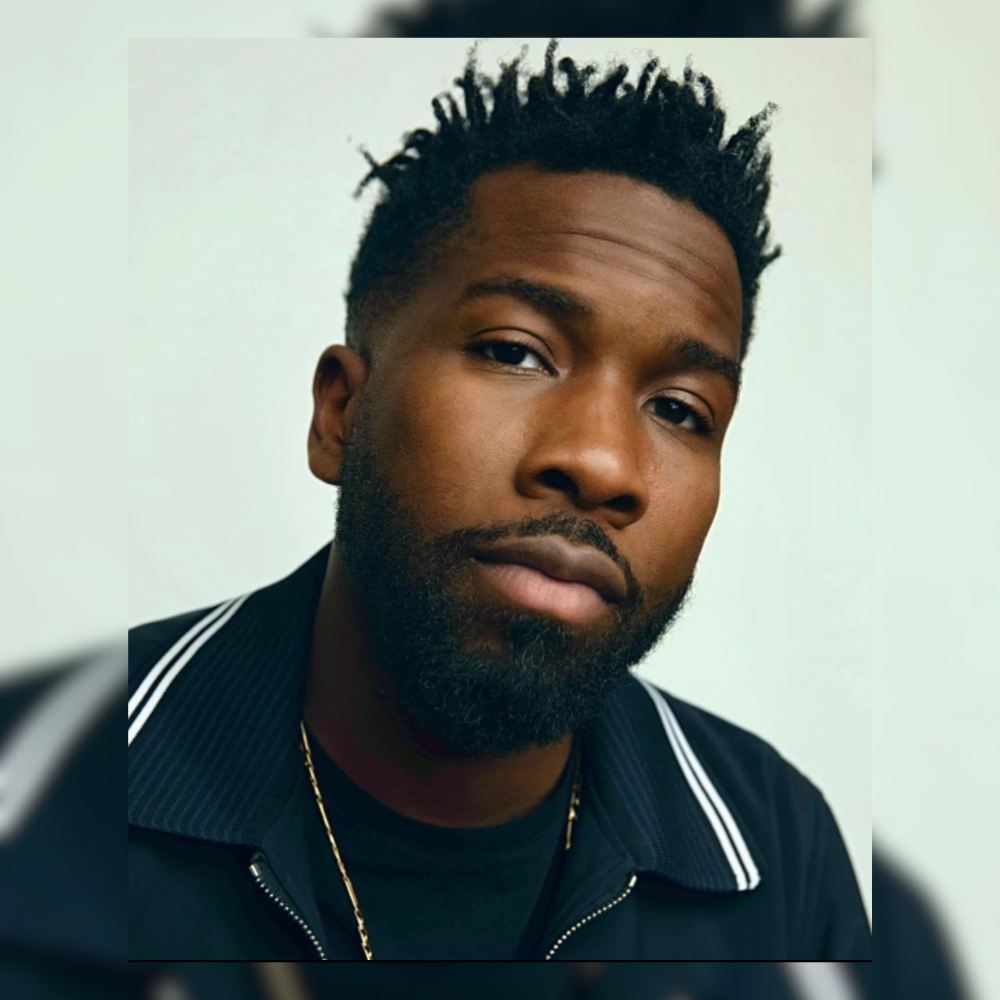
Actor and inventive guide Jean Elie discusses his function advising Marvel’s Marvel Man, serving to form one of many first Haitian American superhero households on display and bringing genuine Haitian tradition to a world viewers.
Marvel’s Marvel Man has reimagined the cultural background of the superhero. Within the new collection, the hero, performed by Yahya Abdul-Mateen II, is reimagined because the youngster of Haitian immigrants, navigating each his superpowers and his cultural id.
Jean Elie, an actor, artistic guide and creator, has performed Issa Rae’s brother in “Insecure”, has created the collection “Ship Assist” and most just lately served because the Haitian cultural guide on Marvel’s “Marvel Man.” The eight-episodes collection premiered on Disney+ on Jan. 27.
The Haitian Occasions interviewed Jean Elie to get a greater understanding of his function in Marvel’s reimagining of the superhero’s story.
The Haitian Occasions: What does a cultural guide do?
Jean Elie: It’s about entry. It’s having the ability to discover individuals who can tackle the mantle and do the job. That is my first cultural guide function. It’s a matter of somebody reaching out and manufacturing being critical about authenticity. Marvel did a tremendous job of selecting to make the character Haitian and in searching for help and creatives who may do re-writes, communicate to dialect, communicate the language and present what the lived-in tradition seems to be like.
THT: You’ve talked about in different interviews that being an actor means placing on the pores and skin of different individuals. You may have a multicultural forged in “Marvel Man.” Inform us what this implies to craft this “pores and skin” because the cultural guide.
Elie: It meant lots. Plenty of occasions, we watch exhibits and watch motion pictures they usually don’t essentially get it proper so far as the household dynamic, how individuals actually deal with one another, what the mom and sons’ roles are, particularly when the dad will not be current.
After I acquired placed on the undertaking, it was speaking about how the dynamic goes within the hospital scene, how the mother goes to all the time test in with the older brother, how when Simon, Trevor and Eric had been within the kitchen they usually had been arguing in entrance of Eric in English. That was all in English. And, I used to be like nah we are able to’t be all in English as a result of Ayisien pa renmen pale devan moun, “Haitians don’t like to talk overtly in entrance of others.” So now we have to modify between English and Creole for the dialog. I helped craft that state of affairs.
When the producers and writers had been asking, what different Haitians can we put within the scene, I used to be in a position to be like these are the Haitians I do know. We had been in a position to get these individuals in there and permit the genuine Creole to be spoken.
On the subject of the actors, working with them, it was numerous talking on context and why we do the issues we do and the way we transfer as a tradition, so their performances don’t really feel performative. We wished to ensure they weren’t simply mimicking sound. So I had my aunt communicate in English and Creole so Martha (performed by Shola Adewusi) may hearken to it.
THT: What else did you do to seize the nuance of Haitian life?
Elie: The situation, what the home seems to be like, what it felt like. Haitians, particularly granmoun, they hoard lots. They don’t throw away something, and when you throw something away, it’s going to be an issue. The kitchen must be organized chaos, with pots, doums, epis, and the silver espresso maker. The meals, the marinade, the banan.
THT: What’s your quintessential, humorous doum story?
Elie: I used to be in center college. I bear in mind I acquired some Nikes from my cousin. Apart from that, I had Ok-Swiss or exhausting bottoms. I didn’t put on them for a few days. We had been taking part in cover and go search and I used to be hiding within the doum. I open the doum and I see my sneakers in there. I requested my mother, and she or he mentioned, “ou pa itilize l.”
THT: Why is it necessary to have Marvel reimagine Marvel Man on this method?
Elie: You would need to ask Andrew Visitor, Yahya [Abdul-Mateen II], or Kyra, who was within the author’s room. However from what Andrew was saying, they wished to showcase the Black diaspora extra particularly. They wished to discover the Caribbean and ultimately discovered themselves in Haiti.
THT: Why is it necessary to have that on a regular basis Haitian household life depicted?
Elie: As a result of we’re not seen like that. It’s both Vodou, church and also you’re not likely attending to get a breadth of what the household dynamic is. Ensuring we’re seen that method normalizes us and makes it really feel common which then brings individuals nearer to 1 one other.
If individuals can’t relate to you and solely see stereotypical pictures of Haitian tradition, there’s a barrier to engagement. Whereas, when you’re seeing your self invested on this household, that breaks down boundaries and will get extra individuals within the tradition; it makes individuals extra invested. When it’s a name to motion, individuals are extra prone to step up and help.
It’s necessary for Yahya, who has a reputation, and Marvel, with its big platform, to indicate this as a result of Haitian tradition is usually misrepresented. We hardly ever see what household life actually seems to be like.
THT: What parallels do you see between Marvel Man and Haitian tradition?
Elie: His ionic talents – the flexibility to summon vitality inside himself, making himself impervious to assault. His exhausting headedness, his willingness to succeed regardless of trials and tribulations. I like his resilience; that’s a trait us Haitians have. By hook or criminal, we make a method for ourselves.
THT: What would you like the viewer to remove from the present?
Elie: I need them to see themselves; I need them to see the struggles of pursuing issues which can be outdoors of the traditional household scope. I need them to see the trials and tribulations of what it’s to be an artist. I need them to grasp what the nuance of Haitian tradition seems to be like on TV and movie. So, when the following undertaking comes alongside, they’ll level to “Marvel Man” and say, “I like the way in which this household is represented. Let’s do extra of that.”
Jean Elie hopes his function as a cultural guide will assist pave the way in which for the manufacturing of “Brother Voodoo,” one other Marvel character who returns to Haiti and embodies the ability of his dearly departed brother. He says that figuring out that others can mirror his work means lots to him and he doesn’t plan on altering his method.
“If you’re doing your personal tasks, put in your tradition,” he mentioned. “That method individuals can see that you understand what you’re speaking about.”